Multiwall Paper Bags Manufacturer
Turkey Time: Loading...
Multiwall Paper Bags Manufacturer



| Origin and History |
| Materials and Making Paper Bags |
| From Forest to Store: Manufacturing |
| Environmental Impact |
| FAQ |
Welcome to the journey of the paper bag—a simple carrier with a surprisingly global footprint. Understanding where these bags come from helps us see how everyday choices affect forests, factories, and future packaging trends.
The idea of carrying items in a folded sheet evolved in the 19th century. While not all details are crystal clear, the concept matured into machine-made bags that helped retailers speed up checkout. Where do paper bags come from? They originate from a blend of paper science and retail innovation, relying on flexible fibers from wood pulp.
As department stores and supermarkets expanded in Europe and North America, demand for sturdy, printable bags grew. This is where the journey of paper bags really accelerates, with designs that could carry groceries, clothes, and more.
Today, the answer to where do paper bags come from includes modern mills, fancy coatings, and sustainable inks. The production lines combine pulping, sheet formation, drying, and bag making with quality controls to meet regional standards.
Where do paper bags come from is not just about the pulp; it is about a chain of choices that shapes forests, factories, and everyday life.
Paper bags begin with cellulose fibers derived from wood pulp or recycled paper. The quality of fibers affects strength, texture, and printing potential. In short, the origin of paper bags comes from a controlled pulping process that creates a printable sheet.
Most heavy-duty bags use kraft paper, which is strong and durable. Recycled fiber content lowers emissions and saves raw materials. The balance between virgin and recycled fibers varies by region and certification.
Some bags include coatings for moisture resistance, and handles may be twisted paper or ribbon. These choices affect recyclability and compostability in the circular economy.
The journey begins with pulping, cleaning, and refining fiber, followed by sheet formation, drying, and winding. Then printing, cutting, gluing, and forming the bag shape. The final product is inspected before packaging for shipment.
Quality control ensures bag strength, correct dimensions, and consistent color. In the EU and the US, manufacturers follow standards that affect packaging safety and consumer experience.
Factories often treat process water, recover heat, and minimize waste. Responsible production is linked to certifications like FSC and credible environmental management systems.
Both regions recycle paper bags, but collection systems and consumer behavior differ. Paper bags are widely accepted in curbside programs, and many mills reuse fiber to produce new bags.
Analyses show that paper bags often outperform plastic in end-of-life options, but the benefit depends on transport distance and recycled content. The core is to reduce virgin fiber use and increase recycling rates.
New materials, tree-free fibers, and better coatings may boost recyclability and compostability. Consumers and retailers in Europe and America are steering demand toward sustainable packaging choices.
A: Paper bags come from a chain of processes starting with tree plantations or recycled paper, then pulping, sheet formation, and bag making in mills.
A: Yes, most paper bags are recyclable and some are compostable, depending on coatings, inks, and finishes. Always check local guidelines.
A: Reuse bags, bring them to shops, or choose bags made from high recycled content, and recycle them at end of life.
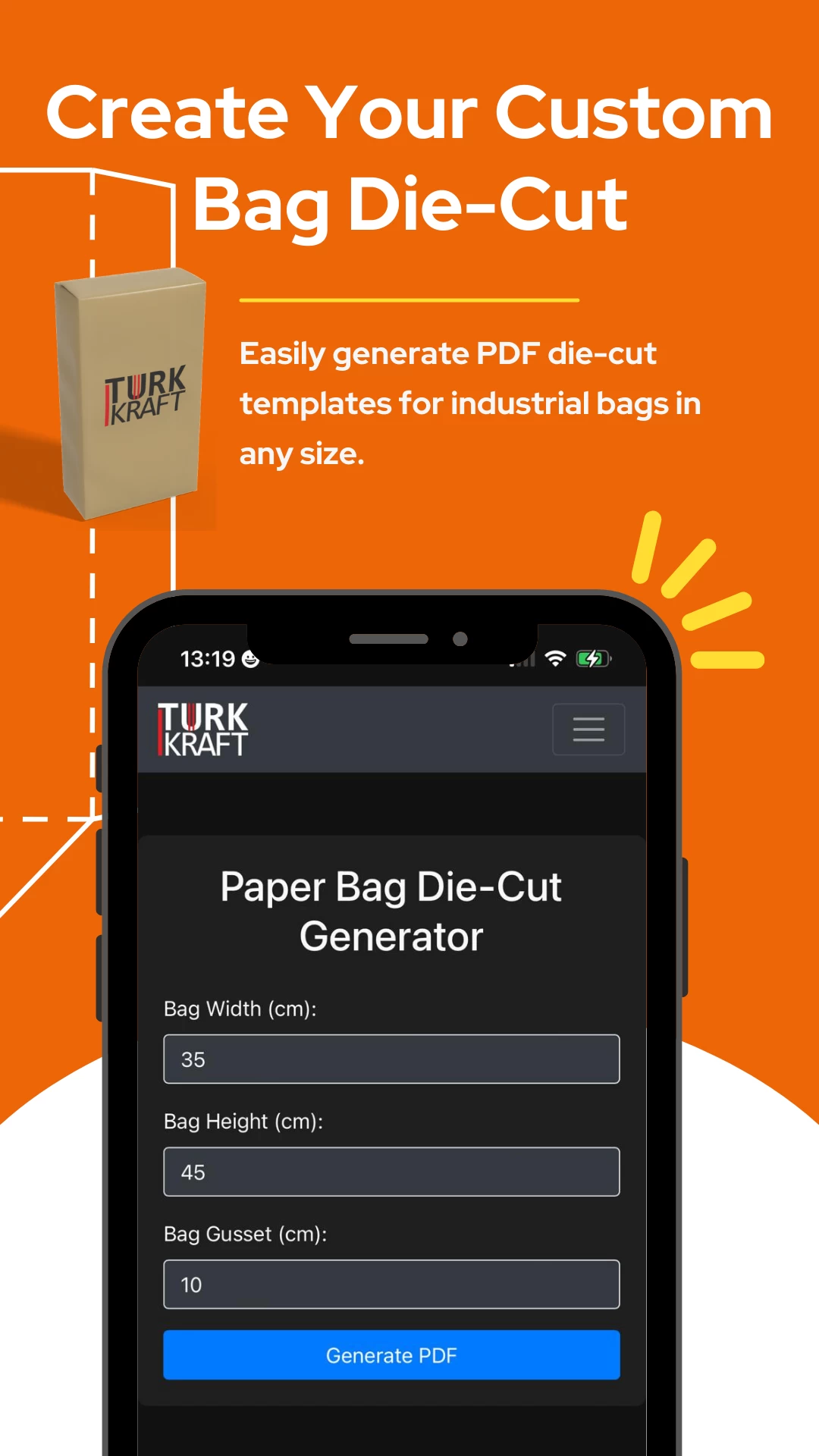
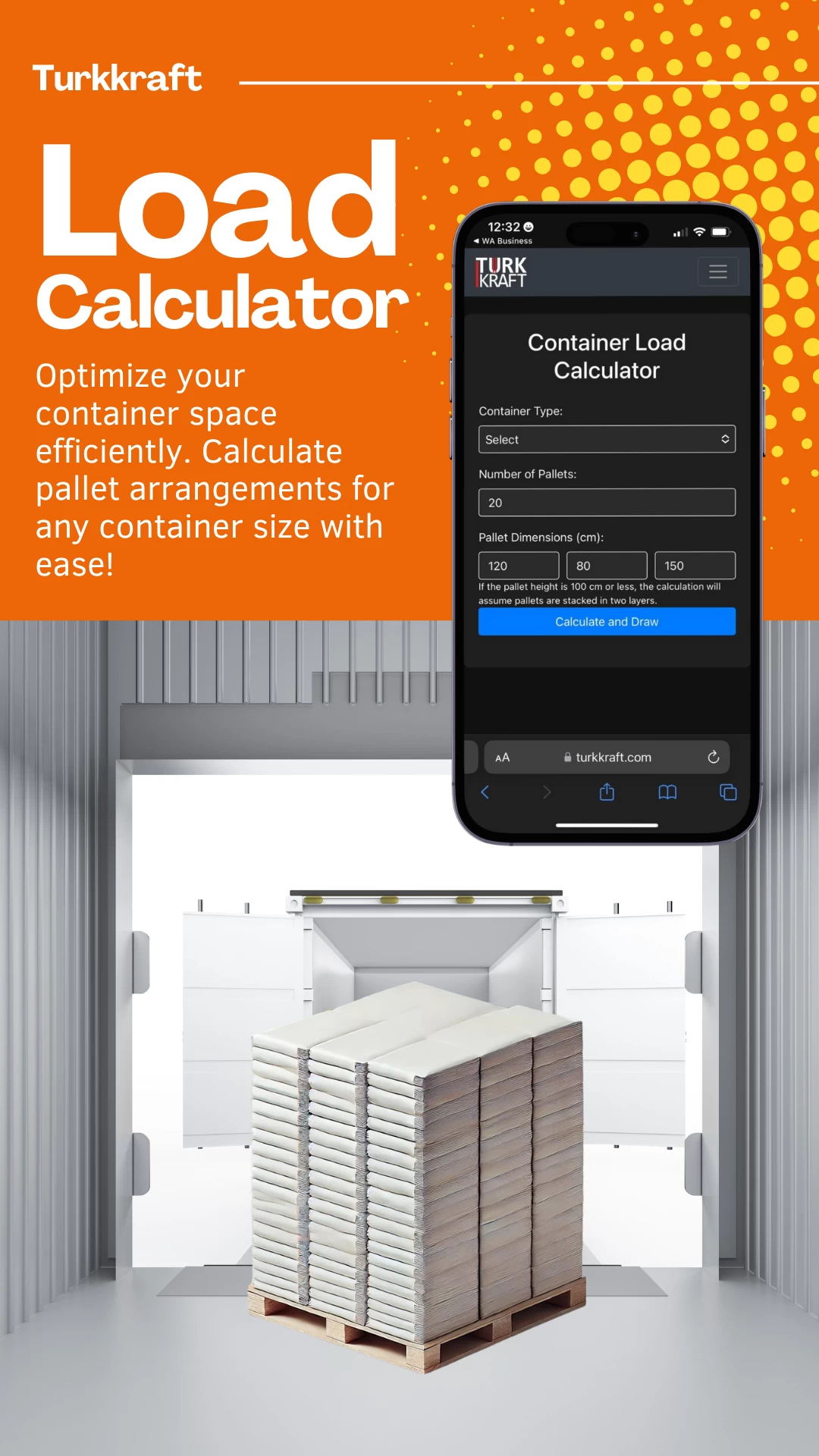


Türkkraft® is a producer of multi-wall industrial paper and PP sacks. It operates with intercontinental production.
